What Is American Mahjong? A Friendly Beginner's Guide
American Mahjong is a tile game for four players, usually played around a table with friends. It grew out of the older Chinese game in the 1920s and became its own thing in the United States, with the National Mah Jongg League setting the rules since 1937. It has its own rhythm and one feature nothing else has: a card of winning hands that changes every year.
If you have watched folks play and felt lost, this guide is for you. We will keep it simple.
The tiles
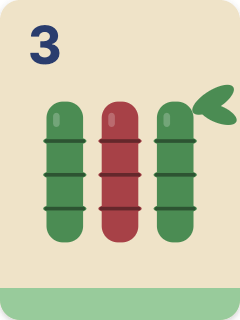
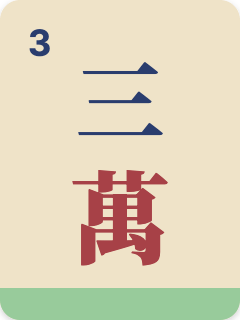
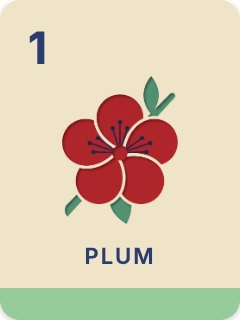
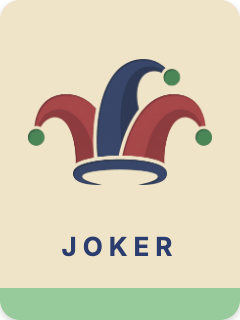
A standard American set has 152 tiles. They come in a few families:



| Tiles | How many |
|---|---|
| Bams, Cracks, Dots (1 to 9, four of each) | 108 |
| Winds (North, East, West, South) | 16 |
| Dragons (green, red, and the Soap) | 12 |
| Flowers | 8 |
| Jokers | 8 |
| Total | 152 |
You do not need to know every tile to start. You will learn them by playing.
The one thing that makes it American
Every year, the National Mah Jongg League publishes a card. It lists all the hands you are allowed to win with that year. Your job in any game is to pick one hand from the card and build your tiles to match it. (How to read the card.)
That card is why two players who learned years apart can sit down together today and play the same game. It is also why the game stays fresh: new card, new hands, every year.
How a game flows
- The deal. Tiles are mixed, a wall is built, and each player gets their starting tiles.
- The Charleston. A round of passing tiles, so everyone can trade away what they cannot use. (Full Charleston guide.)
- Play. Going around the table, each player draws a tile and discards one, shaping their hand toward a line on the card. You can sometimes claim another player's discard if it helps you.
- Mahjong. The first player to complete a full hand from the card calls "Mahjong" and wins. The hand is then exposed and checked against the card.
Jokers
Jokers are wild tiles that stand in for tiles you need. They make hard hands reachable, but they live only in groups of three or more identical tiles, never in a pair or a single. (How jokers work.)
How scoring works, briefly
Each hand on the card has a point value, often 25 and up, with harder hands worth more. The winner is paid by the other players based on that value. The player who threw the winning tile pays double. If you pick the winning tile yourself, everyone pays double, and a hand with no jokers doubles again. You do not need to master scoring to start. The card does the bookkeeping for you.
Is it hard to learn?
It looks harder than it is. The tiles and the card are unfamiliar at first, so the beginning feels steep. But the core loop, draw a tile and discard a tile while working toward a hand, is simple. Most folks are playing real games within a few sessions. What keeps people coming back for years is the depth underneath that simple loop.
The easiest way to start
You do not need three friends and a table to begin. Our free daily challenge gives you one real hand a day to play and learn from, at your own pace. It is the friendliest way to take your first turn.
Frequently asked questions
- How many people do you need to play American Mahjong?
- Four players is the standard game. You can learn and practice on your own first, which is exactly what our daily challenge is for.
- How many tiles are in an American Mahjong set?
- A standard set has 152 tiles: 108 in the three suits, 16 winds, 12 dragons, 8 flowers, and 8 jokers. Many sets ship with a few spare jokers and blank tiles too.
- Do I need the NMJL card to play?
- Yes. American Mahjong is played from the current year card, which lists the hands you can win with. It is published yearly and is inexpensive.
- How long does a game take?
- A single hand takes roughly 10 to 20 minutes. Groups usually play many hands in a sitting, so a full session runs a couple of hours.
- Is American Mahjong the same as the mahjong solitaire app?
- No. Mahjong solitaire is a single-player tile-matching game. American Mahjong is a four-player game of building a hand from the NMJL card.
No signup needed. New to the game? Start with June’s free lessons.